

Pro SEO Company for Advanced Crawling Strategies
Sep 26, 2026


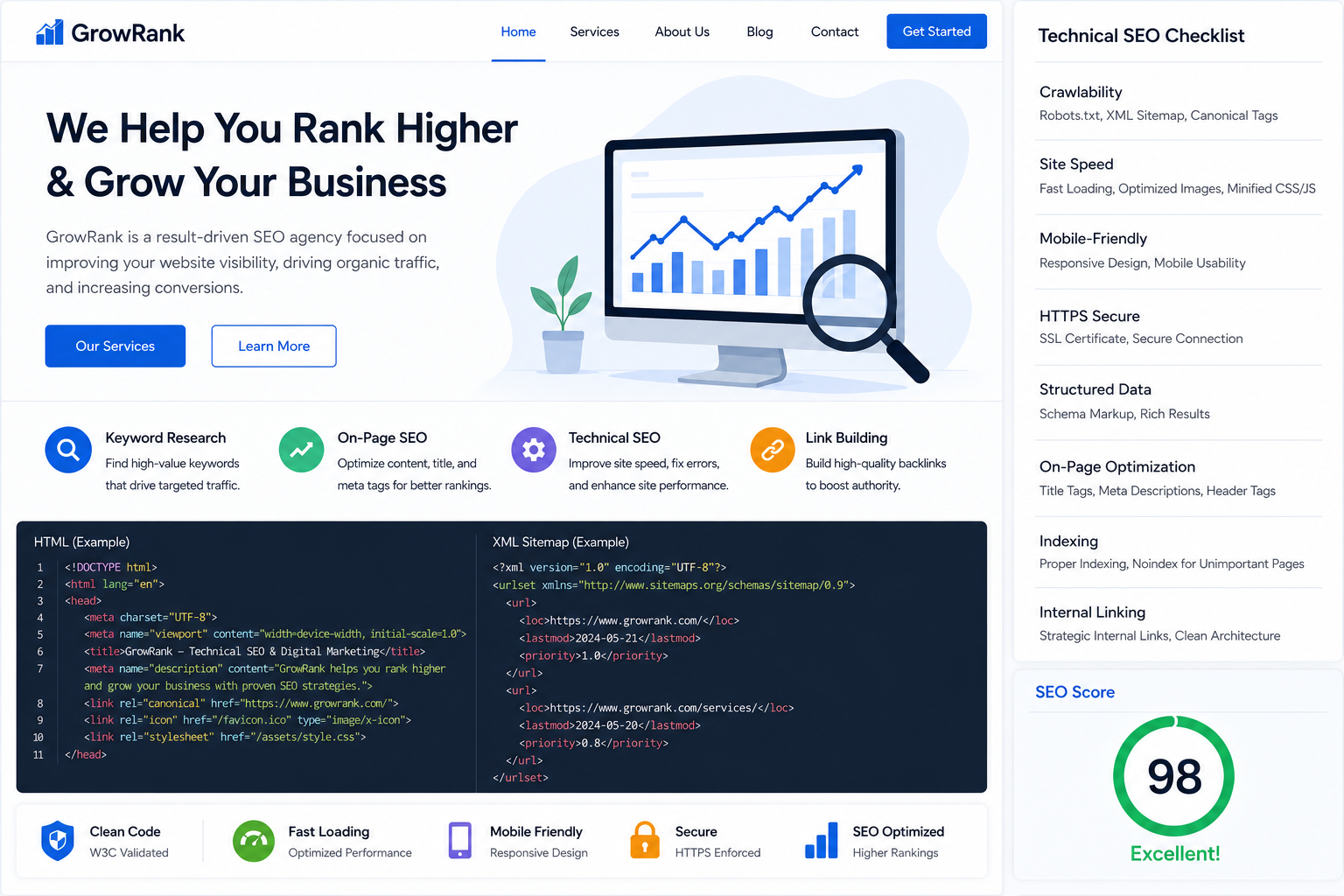
A search engine-friendly website is more than an attractive design. If you want your business to appear in search results, attract qualified visitors, and increase conversions, you need a website built on a strong technical SEO foundation. Technical SEO ensures search engines can crawl, understand, and index your website efficiently while providing visitors with an excellent user experience.
Whether you own a small business, an eCommerce store, or a service-based company, investing in technical SEO helps your website perform better in search engines and keeps your online presence competitive. By following proven optimization strategies, you can improve visibility, increase website traffic, and create a better experience for every visitor.
Technical SEO refers to optimizing the technical aspects of your website so search engines can access, crawl, interpret, and index your content without issues. Unlike content optimization or link building, technical SEO focuses on the website’s infrastructure.
A technically optimized website helps search engines discover important pages quickly while reducing errors that could hurt rankings. It also improves website speed, security, usability, and overall performance.
Search engines prioritize websites that deliver excellent user experiences. Even the best content may struggle to rank if technical issues prevent search engines from accessing your pages.
Technical SEO helps you:
Technical SEO creates the foundation for every successful SEO strategy.
Your website architecture should make it easy for both users and search engines to navigate.
A well-organized structure includes:
Every important page should be accessible within a few clicks from the homepage. This improves crawl efficiency and helps distribute page authority across your website.
Website speed directly affects user experience and search rankings. Slow-loading pages increase bounce rates and reduce conversions.
Improve loading speed by:
Fast websites encourage visitors to stay longer while helping search engines crawl more pages efficiently.
Most online searches now happen on mobile devices. Google also uses mobile-first indexing, making mobile optimization essential.
Your website should:
A seamless mobile experience improves engagement and supports stronger search performance.
Website security builds trust with both users and search engines.
Installing an SSL certificate encrypts user data and changes your website from HTTP to HTTPS. Search engines consider HTTPS a ranking signal, and visitors are more likely to trust secure websites.
Always ensure every page redirects properly to the secure version of your website.
Search engine bots need clear pathways to access your content.
Improve crawlability by:
Submitting your XML sitemap helps search engines discover new and updated pages faster.
Simple URLs improve usability and search visibility.
Follow these best practices:
Example:
yourwebsite.com/technical-seo-guide
Simple URLs are easier for users to remember and search engines to understand.
Duplicate content can confuse search engines and split ranking signals.
Reduce duplication by:
Proper canonicalization ensures search engines know which version should appear in search results.
Internal links help visitors navigate your website while guiding search engines toward your most valuable pages.
Use descriptive anchor text that clearly explains the destination page.
For example, if you want professional technical SEO assistance, consider working with PRO SEO Company.
If visitors need additional information, encourage them to visit the Contact Us page for personalized assistance.
Strategic internal linking distributes authority throughout your website and helps important pages rank better.
Core Web Vitals measure user experience through loading performance, visual stability, and responsiveness.
Focus on improving:
Improving these metrics provides a smoother browsing experience and supports stronger rankings.
Structured data helps search engines understand your content more accurately.
Schema markup can enhance search listings with rich results, including:
Rich snippets often improve click-through rates and increase search visibility.
Images contribute to user engagement but can slow your website if not optimized.
Best practices include:
Optimized images improve accessibility while supporting faster page speeds.
Broken links create poor user experiences and waste crawl budget.
Regularly audit your website to:
Healthy links help search engines crawl your website efficiently.
Simple navigation improves user satisfaction and helps search engines understand your website structure.
Use:
Visitors should always know where they are and how to reach important pages.
If you serve customers in specific geographic locations, local SEO should be integrated into your technical strategy.
Optimize by:
Local optimization improves visibility for nearby customers searching for your services.
Modern search is evolving beyond traditional rankings.
AI-powered search engines prioritize trustworthy, structured, and authoritative websites.
Improve AI readiness by:
Voice assistants and AI search platforms prefer direct, concise answers.
Structure your content using:
This increases the chances of appearing in featured answers.
Generative Engine Optimization (GEO)
Generative search platforms summarize information from trusted websites.
Improve GEO by:
Well-structured websites are more likely to be referenced by AI-generated search experiences.
Technical SEO is an ongoing process.
Schedule regular audits to identify:
Routine maintenance keeps your website healthy and competitive.
Track your progress using reliable analytics tools.
Important metrics include:
Continuous monitoring allows you to identify opportunities for improvement before problems affect rankings.
Technical SEO requires ongoing monitoring, expertise, and strategic improvements to keep your website performing at its best. From fixing crawl errors and improving Core Web Vitals to implementing structured data and optimizing website architecture, professional support can help you achieve long-term search visibility.
If you’re looking for expert guidance, explore the PRO SEO Company offering comprehensive Technical SEO and Digital Marketing Services to improve your website’s search performance, user experience, and organic traffic. Their team develops customized SEO strategies that align with your business goals and the latest search engine algorithms.
Whether you need a complete technical SEO audit, website optimization, or long-term SEO management, you can Contact Us for a free SEO consultation and customized website optimization strategy. An experienced SEO specialist can evaluate your website and recommend the most effective solutions for sustainable growth.
Building a search engine-friendly website starts with technical SEO. A strong technical foundation improves crawling, indexing, user experience, and overall search visibility. Combined with quality content, strategic internal linking, local SEO, AI optimization, AEO, and GEO best practices, technical SEO positions your website for sustainable long-term growth.
By consistently maintaining your website, monitoring performance, and resolving technical issues, you create a reliable digital presence that benefits both users and search engines. Investing in technical SEO today prepares your website for the future of search while helping you attract more qualified visitors and achieve lasting online success.
Technical SEO improves your website’s infrastructure so search engines can crawl, index, and rank your pages efficiently while providing a better user experience.
A fast website improves user satisfaction, reduces bounce rates, enhances Core Web Vitals, and supports higher search engine rankings.
Internal links help search engines discover pages, distribute authority across your website, and guide visitors to relevant content.
Most searches happen on mobile devices. A responsive website improves usability, supports mobile-first indexing, and enhances search visibility.
Conduct a comprehensive technical SEO audit every three to six months and after major website updates to identify and fix performance issues promptly.